Organic Mattresses · Materials & Sleep Comfort
Naturepedic Organic Mattresses: Materials, Certifications, and Comfort Trade-Offs
An organic label can be a useful starting point, but it is not a complete description of a mattress. To understand what a Naturepedic mattress may offer, look past the headline claim: examine the materials in each layer, check what certifications actually cover, and consider how the construction might feel in your own bedroom.
Published November 1, 2026
A mattress is a small landscape of materials. Beneath its fabric cover may lie cotton, wool, latex, coils, or other components, each with a different job. Some form the support system; others soften the surface, manage moisture, or separate one layer from another. In an organic mattress, the question is not simply whether a product is “natural.” It is what the claim means, which parts of the mattress it applies to, and whether the finished construction suits the person who will sleep on it.
Naturepedic is a brand associated with organic bedding, but its mattresses should not be treated as a single, uniform design. Materials and construction can differ by model and product generation. A useful assessment therefore begins with the specific model’s current specification sheet, not a broad impression of the brand. This guide explains how to read those details, what common certifications can and cannot establish, and how materials may shape feel, temperature, and support.
Start with the layer-by-layer construction
Mattress descriptions often compress a complex assembly into a few reassuring words: organic cotton, natural latex, supportive coils. For a meaningful comparison, identify each layer and its role. Ask what is in the cover, what sits immediately beneath it, what provides the main support, and what binds or separates the layers. A material’s position matters. Wool close to the surface may contribute a different tactile and moisture experience than wool deeper inside the mattress.
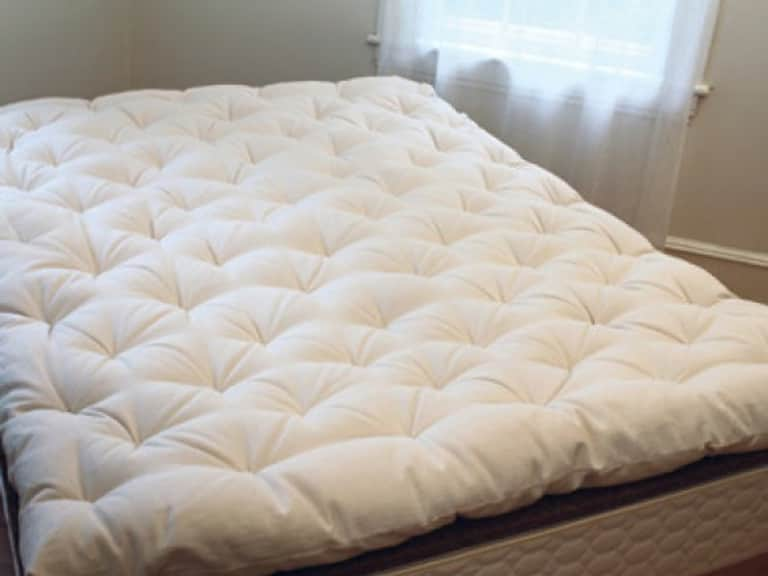
Organic cotton is commonly used in covers and batting. Its feel depends on the weave, quilting, thickness, and what lies below it. A tightly woven cover can feel smoother or more structured than a lofty quilted surface; neither quality alone tells you whether a mattress will feel soft overall. Cotton may absorb moisture, but it does not, by itself, guarantee that a bed will remain cool. Heat and humidity are affected by the complete system, including the sleeper, bedding, room climate, and airflow.
Wool may serve as a cushioning or insulating fiber. Its structure can hold air and absorb moisture, qualities often valued in bedding. Yet wool layers vary in amount, placement, and processing, and their presence does not promise a particular sleep temperature. A thick, plush surface may feel different from a firmer, flatter one even when both contain wool. People with sensitivities should also review the product’s full material information and seek appropriate advice when needed.
Latex is a resilient foam-like material made from rubber-tree sap, though the precise formulation and processing vary. It can respond quickly under pressure and often feels buoyant compared with slower-responding foams. Natural latex is not the same as a finished mattress certified organic in its entirety. If latex is part of a Naturepedic model under consideration, verify whether the description identifies it as natural, organic, blended, or otherwise specified, and determine which certification applies to that component.
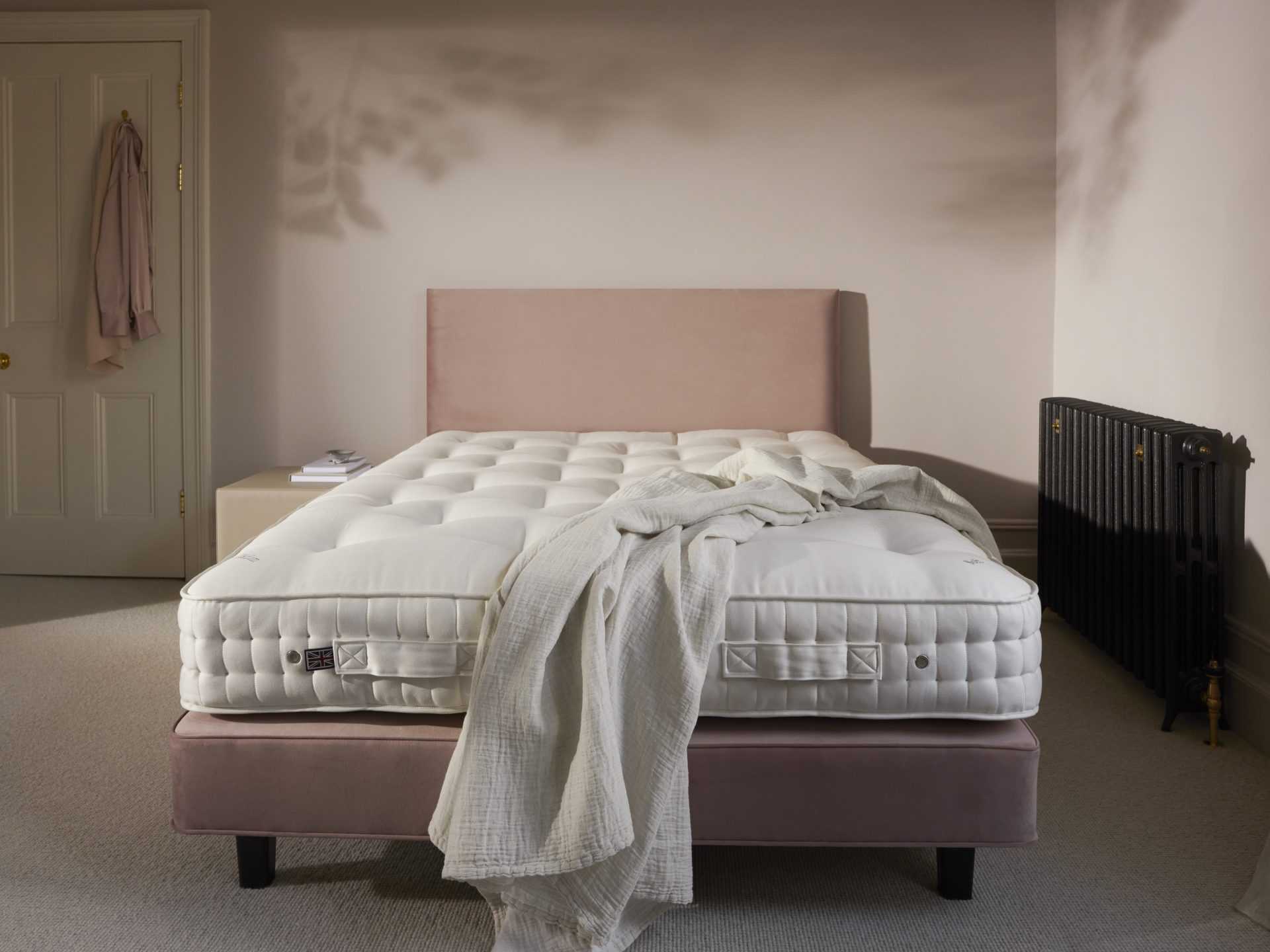
Innerspring models use metal coils as a principal support element. Pocketed coils are individually encased, allowing neighboring springs to respond with some independence; other spring arrangements may transfer movement differently. Coil count alone is not a reliable measure of comfort or quality: counts may use different mattress sizes or counting methods, and the feel also depends on coil geometry, wire properties, layout, edge reinforcement, and comfort layers. A model with coils can still feel cushioned, firm, or somewhere between, depending on the complete build.
Finally, consider the less visible parts: adhesives, thread, fire barriers, and any added films or treatments. A clear product specification should help a reader understand what is present and where. When a listing uses broad terms without naming components, ask the manufacturer for current, model-specific documentation rather than filling in the gaps with assumptions.
What a certification label can tell you
Certifications are tools for narrowing uncertainty, not shorthand for “perfectly pure” or “safe for everyone.” Different programs assess different things: agricultural sourcing, processing practices, chemical emissions, or the content of a particular material. A mattress may contain certified components without the entire finished product carrying that certification. The distinction is important when comparing products that use similar language on their labels.
For organic textiles, look for the exact certification name and scope. Some programs trace organic fiber through stages of processing and may include environmental and social criteria; others focus on a specific material or stage. The label or product documentation should make clear whether the certification applies to the cotton, wool, textile processing, finished cover, or complete mattress. If a retailer says “organic,” but does not identify the standard or certified component, the claim is difficult to evaluate on its own.
For foam components, a certification may address emissions or limits on certain substances rather than prove that a foam is organic. For example, a low-emissions certification and an organic-content certification answer different questions. Likewise, a textile standard that screens for specified substances does not automatically verify agricultural origin. Read the criteria relevant to your concern instead of treating every recognized seal as interchangeable.
Certification names, standards, and product scopes can change. Confirm that a certificate is current, that the company or product appears in the certifier’s directory when such a directory is available, and that the documentation corresponds to the precise mattress model. Ask whether the label covers the finished product or only an ingredient. Keep a copy of the product page or specification at the time of purchase, particularly if a model’s construction may change.
Certifications also have limits. A label cannot predict whether a mattress will relieve an individual’s discomfort, feel comfortable through the night, or remain suitable as preferences change. Nor does a single certification necessarily answer every question about durability, sourcing, indoor air, or environmental impact. A thoughtful review combines certification checks with construction details, warranty terms, care instructions, and a realistic assessment of personal needs.
Comfort is a result of the whole system
People often describe mattresses with a single word—firm, soft, cool, supportive—but those sensations arise from several interacting factors. The surface comfort layer influences how readily the body settles into the bed. The support core affects how the body is held beneath it. Cover tension, quilting, pillow choice, bed frame, and body shape can all change the experience. A material name, on its own, cannot tell you how the finished mattress will feel.
Surface feel and pressure relief
A mattress with a firmer surface may feel stable to one person and unyielding to another. A softer or more yielding surface can reduce pressure sensations for some sleepers, but if it allows too much sinking, others may find it difficult to move or maintain a comfortable posture. Side sleepers often pay close attention to pressure around shoulders and hips, while back and stomach sleepers may prioritize a more level, supported feel. These are tendencies, not rules: body proportions, habits, and personal preference matter.
When trying a Naturepedic model in person, lie in your usual sleeping position for more than a brief moment. Notice whether your shoulders and hips settle comfortably, whether your lower back feels supported, and whether turning requires effort. If buying remotely, inspect trial-period rules closely: length, return fees, pickup arrangements, and whether the policy changes by model or location. A trial is most useful when you test the mattress consistently with your usual pillow and bedding.
Temperature and moisture
Natural fibers are sometimes described as breathable or temperature regulating. Those descriptions can point to useful material properties, but they are not guarantees of a cool night. Heat retention depends on the mattress’s full layering, the sleeper’s metabolism and clothing, room temperature, humidity, sheets, and protector. A dense comfort layer may feel warmer to some people than a more open construction. A breathable cover cannot compensate for every other factor in the sleep environment.
Consider whether the mattress allows air to circulate around its sides and base. A slatted foundation, if permitted by the manufacturer, may provide different airflow conditions from a solid platform. Follow the model’s foundation requirements, since inadequate support can affect performance or warranty coverage. Lightweight, breathable sheets and a suitable mattress protector may also influence surface feel and heat, so assess the complete bedding arrangement rather than attributing every sensation to the mattress alone.
Support, alignment, and movement
Support is not synonymous with firmness. A mattress can feel plush at the surface while providing a stable core, or feel firm without matching an individual’s preferred posture. The practical question is whether the bed distributes weight comfortably and helps the sleeper maintain a position they can sustain. No one construction is universally best, and mattress choice should not be framed as a substitute for medical evaluation or treatment.
For people sharing a bed, movement isolation and edge feel may be as important as surface softness. Individually wrapped coils can behave differently from connected spring systems, while thick comfort layers may alter how motion travels. Edge reinforcement and border construction influence how supported the perimeter feels when sitting or sleeping near it. These characteristics should be assessed in the actual model, not inferred from the word “organic” or from a general description of its materials.
Trade-offs to weigh before choosing
Organic construction can align with a shopper’s priorities around fiber sourcing or material disclosure, but it does not remove the ordinary compromises involved in mattress design. A mattress made with natural fibers may have a distinct feel, care needs, weight, and price. Natural materials can vary, and a product’s overall comfort still depends on the engineering of its layers.
- Material preferences: A latex-free model may suit someone avoiding latex, while a latex-containing design may appeal to someone who likes a buoyant response. Confirm composition rather than relying on category labels.
- Temperature expectations: Wool, cotton, and open coil structures can contribute to moisture management or airflow, but no material guarantees that a sleeper will feel cool.
- Feel and adjustment: Firmer or more responsive beds can feel unfamiliar at first. Allow a reasonable adjustment period while paying attention to persistent discomfort and the return policy.
- Maintenance: Rotation, turning, spot cleaning, and protector use depend on the model. Follow the maker’s instructions; do not assume that a natural-fiber mattress can be washed or flipped.
- Cost and longevity: A higher price or organic claim alone does not establish a longer usable life. Compare construction, warranty exclusions, expected care, and the retailer’s trial terms.
Allergies and chemical sensitivities deserve individual consideration. Product certifications may help answer defined questions about materials or emissions, but they cannot guarantee that a specific person will have no reaction. Read the full component list, consult a qualified clinician when appropriate, and clarify the retailer’s return process before purchase if uncertainty is significant.
A practical checklist for evaluating a Naturepedic model
Use the following questions with the current product page, written specification, or a knowledgeable retailer. Answers should refer to the exact model and size you are considering.
- What are the materials in every layer, from the cover to the support core?
- Which components are certified, by which organization, and what does the certification cover?
- Is the certification current and verifiable for this specific model?
- Does the mattress contain latex, wool, coils, foam, adhesives, or other materials relevant to my needs?
- What is the intended firmness or feel, and how does the company describe the model’s construction?
- What foundation or bed-frame requirements apply, and could my current base affect support or warranty coverage?
- What are the trial, return, exchange, delivery, and warranty terms?
- What care is required, and is the mattress designed to be rotated or flipped?
- Can I test the exact model in a showroom, or compare it with a similar construction under consistent conditions?
Record the answers rather than relying on memory. Product names can be similar while constructions differ, and marketing pages may emphasize one material while leaving the rest of the assembly less visible. If a retailer cannot answer a basic question about layer composition or certification scope, contact the manufacturer or request documentation before deciding.
How to make a balanced comparison
When comparing Naturepedic with another mattress, avoid ranking products by one feature alone. Put the specifications side by side: layer materials, spring or foam construction, cover composition, certification scope, height, care instructions, foundation requirements, and trial terms. Then compare the sensations that matter most to you. A materials checklist cannot substitute for a comfort test, while a brief showroom test cannot verify a certification claim.
Separate evidence from expectation. “Contains organic cotton” is a composition statement if supported by documentation; “sleeps cooler” is a performance claim that may depend on conditions and individual experience. “Certified” needs a named program and scope. “Supportive” is incomplete without understanding the design and your own needs. This careful distinction helps keep a meaningful environmental or health preference from turning into an assumption that any one label guarantees an ideal mattress.
There is no universal mattress for every body, climate, or sleeping position. The best-informed choice is one whose materials and construction are transparent, whose certifications address the shopper’s actual priorities, and whose feel can be tested under clear terms. Naturepedic’s organic positioning may make its models worth examining for people focused on material sourcing, but each mattress should be judged on its own specification and on how it feels in practice.
The bottom line
Evaluating an organic mattress means looking both inward and outward: inside the mattress at its layers and components, and beyond the label at the standard, documentation, and real-world comfort. Cotton, wool, latex, and coils each contribute different characteristics, but none determines the complete sleep experience alone. Certifications can make particular claims more transparent, yet their meaning depends on scope, current status, and the exact product being assessed.
For a Naturepedic mattress, begin with the model-specific materials list, verify which components carry which certifications, and think carefully about surface feel, heat, support, and maintenance. Pair that research with a realistic trial or return policy. The result is not a promise of perfect sleep; it is a clearer basis for choosing a mattress whose construction, values, and comfort trade-offs make sense for you.