Latex bedding is valued for its responsive feel, resilience, and ability to contour under pressure while returning to shape. Latex can be used in mattress comfort layers and pillows, where material density and construction influence support and surface feel. Understanding these characteristics helps compare latex products with other organic mattresses and bedding materials.
Latex mattresses may be made with natural latex, synthetic latex, or blends, so material descriptions matter when evaluating a product. Natural latex is derived from rubber tree sap and processed into foam with varying firmness levels. Layer thickness, mattress design, and underlying support systems also affect comfort, pressure distribution, and durability.
Latex pillows provide a supportive alternative to softer fiber-filled styles, and their shape and loft can influence neck alignment during sleep. Pillow choice depends on sleeping position, shoulder width, and personal comfort preferences. Related bedding, including sheets and pillow covers, should fit the pillow dimensions and accommodate its profile without compressing it excessively.
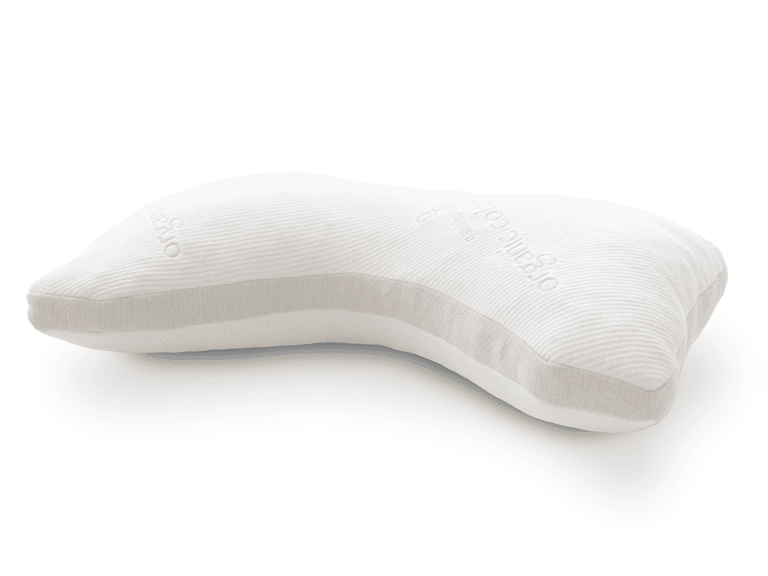
The Naturepedic Organic Side Sleeper Pillow is designed for people who sleep on their sides and need a pillow suited to that position. Its organic-focused construction connects it to broader interest in organic mattresses and bedding. Pillow height and firmness are important considerations, since adequate loft can help maintain a more neutral head-and-neck position.
When comparing latex bedding and pillows, review material composition, certifications, care instructions, dimensions, and intended use. Organic crib mattresses serve a different purpose and require age-appropriate sizing and safety considerations; they should not be treated as interchangeable with adult mattresses. These details clarify how each product fits into a sleeping environment and supports individual needs.
 Bedding